
In This Article
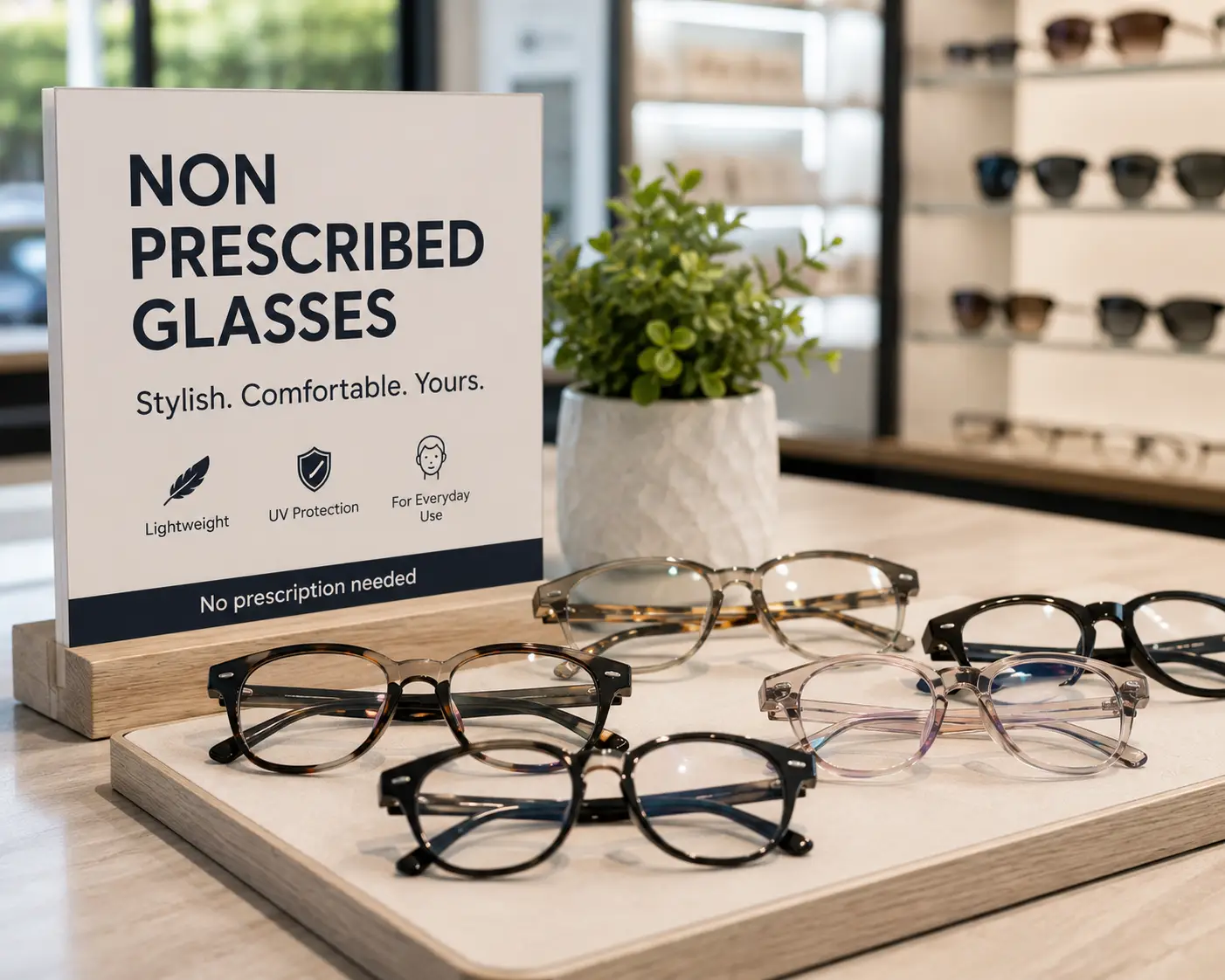
If you’ve ever wanted the look and feel of prescription-style eyewear without actually needing vision correction, non prescribed glasses can be a surprisingly useful addition to your everyday wardrobe. These glasses are designed without corrective prescription lenses, which means they can be worn primarily for fashion, personal style, light protection from environmental factors, or optional lens features such as blue-light filtering. Unlike prescription eyewear, the lenses are not customized to correct nearsightedness, farsightedness, astigmatism, or other refractive errors.
The appeal of non prescribed glasses is largely their versatility. You can choose a frame based on its shape, color, material, size, or overall appearance rather than having to start with a prescription. That makes it possible to own several different pairs for different outfits, work environments, occasions, or personal aesthetics. Someone might choose a classic black frame for professional settings, a transparent frame for a minimalist appearance, or a bold colored frame when they want their eyewear to become part of the outfit rather than simply blend into it.
There is also a practical difference between non-prescription eyewear and ordinary fashion accessories. Glasses sit directly in front of the eyes, so factors such as lens clarity, frame fit, bridge width, temple length, weight, and optical distortion can affect how comfortable they are over several hours. A pair may look excellent in a product photograph but feel completely different when worn if the bridge is too narrow, the temples press against the sides of the head, or the frame is too heavy for extended use.
In this guide, you’ll find seven popular styles of non prescribed glasses, along with detailed explanations of what makes each type suitable for different users. We’ll look beyond appearance and consider frame construction, lens characteristics, comfort, fit, screen use, styling, maintenance, and the situations where non-prescription eyewear makes the most sense. The goal is not simply to find a pair that looks attractive but to understand what you’re actually getting before spending money on a frame.
Quick Comparison: Non Prescribed Glasses at a Glance
| Product Style | Frame Style | Best For | Main Appeal | Approx. Price |
|---|---|---|---|---|
| Classic Black Non Prescribed Glasses | Full-rim acetate | Work & everyday wear | Timeless appearance | $15–$40 |
| Clear Non Prescribed Glasses | Transparent full-rim | Minimalist styling | Lightweight visual appearance | $15–$35 |
| Blue Light Non Prescribed Glasses | Full-rim | Screen-heavy routines | Optional blue-light filtering | $20–$50 |
| Round Non Prescribed Glasses | Metal or acetate | Vintage styling | Distinctive shape | $15–$45 |
| Square Non Prescribed Glasses | Acetate | Modern outfits | Bold structure | $20–$50 |
| Cat-Eye Non Prescribed Glasses | Acetate | Fashion styling | Retro-inspired silhouette | $15–$45 |
| Titanium Non Prescribed Glasses | Lightweight metal | Long wear | Low-weight construction | $40–$100+ |
Looking at the comparison, the biggest difference between these non prescribed glasses is not whether they correct vision, because none of them are intended to replace prescription lenses. Instead, the meaningful differences come from frame construction, lens treatment, shape, weight, and the environment in which you plan to wear them. Classic black frames are particularly versatile because they can work with professional and casual clothing without drawing excessive attention, while clear frames create a lighter and more contemporary appearance.
Blue-light versions appeal to people who spend significant amounts of time looking at computers and other digital displays, although blue-light filtering should not be treated as a guaranteed solution for digital eye strain. Round and cat-eye designs are more strongly associated with fashion and personal expression, while square frames provide a structured appearance that can work particularly well with modern outfits. Titanium frames sit at the premium end because their lightweight construction can make them attractive for people who dislike the feeling of heavier eyewear.
💬 Find the right pair the first time — compare frame shape, fit, lens quality, weight, and intended use before choosing your non prescribed glasses! 😊
Top 7 Non Prescribed Glasses: Expert Analysis
1. Classic Black Non Prescribed Glasses — most versatile choice for everyday wear
Classic black non prescribed glasses remain one of the easiest styles to incorporate into an existing wardrobe because the frame color works with an unusually wide range of clothing. A simple black full-rim frame can look professional with office clothing, casual with jeans and a T-shirt, or more polished when paired with formal clothing. This versatility makes the style particularly useful for someone buying their first pair of non-prescription glasses and wanting something that won’t quickly feel dated.
The frame construction is often more important than the black color itself. Acetate-style frames can provide a substantial appearance and a solid feel, while thinner plastic frames can create a lighter visual profile. The ideal choice depends on whether you want the glasses to become a noticeable part of your appearance or remain relatively subtle. A well-proportioned frame should sit comfortably across the bridge of the nose without sliding excessively, while the temples should rest against the sides of the head without creating uncomfortable pressure.
Because these glasses don’t contain corrective prescription power, the lenses are generally used for clear viewing rather than vision correction. Some versions may include coatings intended to reduce reflections or improve scratch resistance, while others may offer blue-light filtering. The exact lens specification should therefore be checked rather than assuming every non-prescription pair has the same optical treatment.
Classic black frames are particularly useful for people who want one pair that can move between different situations. They can function as an everyday fashion accessory without requiring you to change eyewear every time your outfit changes. For that reason, this remains one of the safest starting points when searching for non prescribed glasses.
2. Clear Non Prescribed Glasses — best for minimalist styling
Clear non prescribed glasses have become popular because they provide the visual structure of eyewear without the strong contrast created by black or dark-colored frames. Transparent or translucent frames can make the glasses appear visually lighter, which is particularly appealing to people who want to experiment with eyewear without having the frame dominate their face.
The transparent appearance works especially well with minimalist clothing because it doesn’t introduce a strong additional color. Clear frames can also complement a wide variety of outfits, making them more versatile than their appearance might initially suggest. They can look modern with casual clothing while still being appropriate for many professional environments.
The quality of the frame becomes particularly noticeable with clear designs. Small manufacturing imperfections, visible seams, or poorly finished edges may be more apparent because there is less color to conceal them. A well-made transparent frame should have clean edges and consistent construction around the bridge and temples.
Fit is also important because transparent frames can sometimes appear larger or smaller on the face depending on the thickness and shape of the frame. The frame width should generally correspond reasonably well with the width of your face, while the bridge should sit securely without constantly sliding downward.
For anyone who wants non prescribed glasses that look contemporary without creating an overly bold appearance, clear frames are an excellent choice.
3. Blue Light Non Prescribed Glasses — best for screen-heavy routines
Blue-light non prescribed glasses are designed for people who want the appearance of ordinary eyewear combined with lenses that may incorporate a blue-light filtering treatment. These glasses have become particularly popular among office workers, students, gamers, programmers, and anyone who spends a substantial portion of the day looking at digital displays.
The important distinction is that blue-light filtering is a lens feature rather than a prescription. You can therefore purchase blue-light glasses without having a vision prescription. The lenses remain non-corrective, while the filtering layer or lens material is intended to alter the amount of certain wavelengths of light passing through.
It is important not to overstate what this feature can do. Blue-light glasses are not a treatment for eye disease, and evidence does not establish that blue-light filtering lenses prevent eye damage from normal computer use. Digital eye discomfort is often associated with factors such as prolonged focusing, reduced blinking, glare, dry environments, poor viewing distance, and inadequate breaks. A good pair of non prescribed glasses can therefore be part of a comfortable workstation setup, but it should not be treated as a medical solution.
From a practical perspective, blue-light glasses can still be appealing because many models combine filtering lenses with anti-reflective coatings and attractive modern frames. Someone who spends eight hours at a computer may appreciate having dedicated eyewear that becomes part of their work routine.
The most important consideration is lens quality. Look for clear lenses with minimal distortion and a frame that remains comfortable after several hours. If the lenses create distracting color changes or reflections, the glasses may become more annoying than useful.
4. Round Non Prescribed Glasses — best for vintage-inspired styling
Round non prescribed glasses create a very different visual impression from conventional rectangular frames. Their circular or near-circular shape gives the eyewear a vintage-inspired appearance that can work particularly well for people who want their glasses to become a recognizable part of their personal style.
Round frames are available in both metal and acetate constructions. Thin metal frames tend to create a delicate appearance, while thicker acetate versions can make the shape much more prominent. The choice between the two depends largely on how noticeable you want the eyewear to be.
The size of a round frame is particularly important. A frame that is too small can look visually compressed, while an oversized round frame can become the dominant feature of the face. Measuring an existing pair of glasses that fits comfortably can provide a useful reference before ordering a new pair online.
Round frames can also work well as statement accessories. Because the shape is more distinctive than a conventional rectangular frame, they can add personality to otherwise simple outfits. This makes them especially attractive for creative professionals, students, fashion-conscious users, or anyone who enjoys experimenting with different aesthetics.
For buyers searching for non prescribed glasses primarily for personal style, round frames provide a straightforward way to make eyewear more visually distinctive without requiring corrective lenses.
5. Square Non Prescribed Glasses — best for a modern structured look
Square non prescribed glasses provide a stronger and more geometric appearance than round frames. Their straight edges and defined corners can make the overall frame look more structured, which is one reason square and rectangular eyewear remains popular across both professional and casual styles.
Acetate is commonly used for this type of frame because it allows manufacturers to create relatively thick profiles with defined edges. A thicker frame can make the glasses more prominent, while a thinner frame provides a more understated interpretation of the same shape.
The fit should be considered carefully because square frames can look substantially different depending on their dimensions. A frame that is too wide may extend noticeably beyond the sides of the face, while one that is too narrow may feel restrictive around the temples. The bridge width also influences how securely the glasses remain positioned throughout the day.
Square frames are particularly versatile when you want your eyewear to communicate a polished and modern appearance. Black, tortoiseshell, brown, gray, and transparent finishes can each produce a different result while retaining the underlying structured silhouette.
For everyday non prescribed glasses, square frames are particularly attractive because they can transition easily between professional settings, casual environments, and fashion-focused outfits.
6. Cat-Eye Non Prescribed Glasses — best for distinctive fashion styling
Cat-eye non prescribed glasses are designed around an upward sweep toward the outer corners of the frame. This distinctive shape creates a retro-inspired appearance and makes the glasses much more noticeable than a simple rectangular frame.
The appeal of cat-eye eyewear is primarily aesthetic. Because the silhouette is so recognizable, the glasses can function almost like jewelry or another statement accessory. They can add character to a simple outfit without requiring additional accessories.
The frame material can significantly change the appearance. Thick acetate creates a bold and dramatic effect, while thinner frames can make the same shape appear more refined. Transparent, black, tortoiseshell, and colored versions provide even more options for matching the glasses with different wardrobes.
Comfort should still remain a priority. Fashion-oriented frames can sometimes encourage buyers to focus heavily on appearance while overlooking dimensions. The glasses should sit securely without excessive pressure around the temples or behind the ears.
For anyone looking for non prescribed glasses that provide a strong fashion statement rather than a purely functional appearance, cat-eye frames are one of the most distinctive choices available.
7. Titanium Non Prescribed Glasses — best lightweight option for long wear
Titanium non prescribed glasses are positioned toward buyers who prioritize low weight, durability, and a refined frame construction. Titanium is commonly used in premium eyewear because it can provide a strong structure without requiring the same amount of material as heavier frame designs.
The difference in weight can become especially noticeable during extended wear. Someone who keeps glasses on for several hours may prefer a frame that doesn’t create substantial pressure around the nose or ears. A lightweight frame can therefore be particularly appealing for office work, commuting, reading, or general daily use.
Titanium frames also tend to have a more understated appearance. Thin metal construction can create a minimalist look that works well in professional environments, while different finishes can provide either a classic or contemporary aesthetic.
The higher price of titanium eyewear is one of its main disadvantages. If your primary goal is simply to own fashionable non prescribed glasses, a less expensive acetate or plastic frame may provide better value. Titanium becomes more compelling when low weight, long-term durability, and refined construction are priorities.
Full Comparison: All 7 Non Prescribed Glasses
| Product Style | Frame Material | Style | Best For | Price Range |
|---|---|---|---|---|
| Classic Black Non Prescribed Glasses | Acetate/plastic | Timeless | Everyday wear | $15–$40 |
| Clear Non Prescribed Glasses | Transparent plastic/acetate | Minimalist | Modern styling | $15–$35 |
| Blue Light Non Prescribed Glasses | Plastic/acetate | Contemporary | Screen-heavy routines | $20–$50 |
| Round Non Prescribed Glasses | Metal/acetate | Vintage | Fashion-focused users | $15–$45 |
| Square Non Prescribed Glasses | Acetate/plastic | Structured | Work & casual wear | $20–$50 |
| Cat-Eye Non Prescribed Glasses | Acetate/plastic | Retro | Fashion styling | $15–$45 |
| Titanium Non Prescribed Glasses | Titanium | Minimalist | Long-term daily wear | $40–$100+ |
Reading across the comparison, there isn’t a single frame style that is automatically best for everyone. Classic black and square frames are generally easier to integrate into an everyday wardrobe, while clear frames offer a lighter visual effect. Blue-light versions are aimed more specifically at people who spend long periods using digital displays, while round and cat-eye designs place greater emphasis on fashion and personal expression.
Titanium frames occupy a different position because their main advantage is material performance rather than a particular visual shape. If weight is a major concern, the additional cost may be worthwhile. If appearance is the primary consideration, less expensive acetate or plastic frames can provide a much wider selection of shapes and colors.
Non Prescribed Glasses vs. Prescription Glasses
The primary distinction between non prescribed glasses and prescription glasses is the purpose of the lenses. Prescription lenses are manufactured according to an individual’s optical prescription and are intended to correct specific refractive errors. Non-prescription lenses do not contain that corrective power and are therefore not a replacement for prescription eyewear when someone needs vision correction.
This distinction doesn’t mean non-prescription glasses are useless. They can serve as fashion accessories, protective eyewear in certain situations when the lenses are specifically designed for that purpose, or optional blue-light filtering eyewear. They can also be useful for people who simply enjoy wearing glasses as part of their personal appearance.
The important point is to understand what the lenses actually provide. A clear non-prescription lens doesn’t improve nearsighted vision simply because it looks like prescription eyewear. If distant objects appear blurry without corrective lenses, wearing a fashionable pair of non prescribed glasses won’t correct that blur.
What Are Non Prescribed Glasses?
Non prescribed glasses are eyewear with lenses that do not contain an individual’s corrective prescription. They are often sold as fashion glasses, clear-lens glasses, blue-light glasses, or accessory eyewear.
The frame can look almost identical to a prescription frame. The major difference is the optical power of the lens.
Some non-prescription glasses use completely clear lenses, while others incorporate coatings designed to reduce reflections or filter specific wavelengths of light. Some may also use impact-resistant lens materials depending on their intended purpose.
Because the category covers many different products, you should read the lens specifications carefully rather than assuming that all non-prescription glasses provide the same features.
How to Choose the Best Non Prescribed Glasses
Choosing the best non prescribed glasses begins with determining why you want them. If the goal is fashion, frame shape and color will probably matter more than lens treatments. If you plan to wear them while working at a computer, lens clarity, reflections, frame weight, and comfort may deserve greater attention.
Frame dimensions should be checked carefully when ordering online. Important measurements include lens width, bridge width, and temple length. Comparing these measurements with a pair of glasses you already own and find comfortable can make it easier to predict how a new frame will fit.
The frame material also influences the wearing experience. Acetate and plastic frames can provide a substantial appearance and broad range of colors, while metal frames often create a thinner profile. Titanium is particularly attractive when low weight is a priority.
Lens quality should not be ignored simply because the lenses aren’t corrective. Poorly manufactured lenses can introduce unwanted reflections, distortion, or visual distractions. Clear, optically consistent lenses are generally preferable for extended wear.
How to Use Non Prescribed Glasses
Using non prescribed glasses is generally straightforward because there is no prescription to adjust. Put the glasses on normally and make sure the bridge sits comfortably on the nose while the temples rest naturally against the sides of the head.
If the glasses continually slide downward, the frame may not fit correctly. Some frames can be professionally adjusted, particularly metal designs, while others may require a different size or shape.
When using non-prescription glasses for computer work, position the screen at a comfortable distance and maintain appropriate ambient lighting. The glasses themselves shouldn’t be considered a substitute for good workstation habits.
If you are using blue-light filtering glasses, follow the same basic principles. The lens feature can be optional, but comfortable screen positioning and regular breaks remain important parts of a healthy computer routine.
Real-World Scenarios: Matching Non Prescribed Glasses to Your Life
Consider a professional who wants one pair of glasses that works from the office to an evening dinner. Classic black or square non prescribed glasses would provide the greatest versatility because the neutral colors and structured shapes can complement both formal and casual clothing. There is no need to coordinate a highly distinctive frame with every outfit.
A student or remote worker who spends most of the day looking at a laptop may prefer blue-light filtering non-prescription eyewear. The main benefit in this situation is not vision correction but having comfortable, clear lenses with an optional filtering treatment and a frame that can remain comfortable during extended sessions. Good lighting, appropriate viewing distance, and regular breaks remain important regardless of the glasses.
Someone who primarily wants eyewear as a fashion accessory may prefer clear, round, or cat-eye frames. These designs make the glasses more visually distinctive and allow the wearer to experiment with different aesthetics without committing to prescription eyewear.
For someone who dislikes heavy frames, titanium non prescribed glasses may be the most attractive option. The lightweight construction can make a noticeable difference during long periods of wear, particularly for users who are sensitive to pressure around the nose and ears.
Common Problems With Non Prescribed Glasses
One of the most common problems is buying a frame based entirely on its appearance without checking the measurements. A beautiful pair can become uncomfortable if the bridge is too narrow or the temples are too tight.
Another problem is assuming that blue-light filtering automatically prevents digital eye strain. Screen discomfort has multiple potential causes, and blue-light filtering is not a universal solution.
Lens reflections can also become frustrating, particularly under office lighting. If the lenses reflect overhead lights directly into your eyes, the glasses may be uncomfortable despite having an attractive frame.
Scratches are another practical issue. Non-prescription lenses still require proper cleaning and storage. Using a rough paper towel or shirt to wipe the lenses can create tiny scratches over time.
Finally, some buyers wear non-prescription glasses even when they actually need corrective lenses. If you regularly struggle to see distant objects, read clearly, or focus comfortably, an eye examination is more appropriate than simply purchasing stronger-looking fashion frames.
Long-Term Cost and Maintenance: What Non Prescribed Glasses Really Cost
The initial price of non prescribed glasses can be relatively low compared with prescription eyewear, especially when you choose basic plastic or acetate frames. However, the actual long-term value depends on how frequently you wear them and how well you maintain the lenses and frame.
Someone who owns several fashion frames may spend more overall than someone who buys one high-quality everyday pair. On the other hand, having several inexpensive frames can make sense if you treat eyewear as part of your wardrobe and want different colors or shapes for different outfits.
Maintenance costs are generally low. The main requirement is proper cleaning and storage. Use a clean microfiber lens cloth and an appropriate lens-cleaning solution rather than abrasive materials. When you’re not wearing the glasses, keep them in a protective case instead of placing them lens-down on a desk.
If the frame becomes loose, a professional optical shop can often tighten or adjust it. Avoid bending the frame aggressively at home because small adjustments can turn into permanent damage.
Safety, Regulations, and Standards for Non Prescribed Glasses
Non prescribed glasses should not be confused with prescription eyewear or medical treatment. Clear fashion lenses do not correct refractive errors, and wearing them does not eliminate the need for corrective lenses when an individual has a vision prescription.
If the glasses are marketed for a specific protective purpose, such as impact protection or UV protection, check whether the product actually meets the relevant standards rather than assuming that any clear lens provides the same protection. Ordinary fashion glasses should not automatically be used as safety glasses in environments where certified protective eyewear is required.
People with persistent blurred vision, double vision, eye pain, headaches associated with visual tasks, or other concerning symptoms should seek professional eye care rather than attempting to solve the problem by changing fashion eyewear.
For children, lens and frame safety deserves additional attention because children may be more likely to drop, bend, or otherwise damage their glasses. Products intended specifically for children should be chosen according to the manufacturer’s age and safety specifications.
Features That Actually Matter (and Ones That Don’t)
When comparing non prescribed glasses, frame fit and lens quality matter much more than exaggerated marketing claims. A comfortable frame with accurate dimensions and clear lenses is generally more useful than a fashionable pair with poor construction.
Anti-reflective coatings can be valuable for people who spend time under artificial lighting because reflections can become distracting. Scratch-resistant treatments can also help preserve lens clarity, although no coating makes a lens completely scratch-proof.
Blue-light filtering can be an optional feature for people who prefer it, but it shouldn’t be treated as a guaranteed health benefit. The evidence around blue-light filtering and digital eye strain is more nuanced than many product listings suggest.
Marketing phrases such as “computer protection,” “eye protection,” or “advanced optical technology” should therefore be examined carefully. Look for specific information about the lens material and coating rather than relying on broad promotional language.
Frame design is another feature that genuinely matters because it directly affects fit and appearance. The best non prescribed glasses should feel comfortable enough that you don’t constantly notice pressure around the nose, ears, or temples.
Frequently Asked Questions
❓ What are non prescribed glasses?
❓ Can you wear non prescribed glasses every day?
❓ Do non prescribed glasses help with computer eye strain?
❓ Are non prescribed glasses the same as fashion glasses?
❓ How do I know if non prescribed glasses will fit?
Conclusion
Choosing the right non prescribed glasses is primarily about understanding what you actually want from the eyewear. Because these glasses don’t provide corrective prescription power, the decision shifts away from optical correction and toward frame fit, lens quality, comfort, appearance, and optional features.
Classic black frames remain one of the most versatile choices because they can move easily between professional and casual environments. Clear frames provide a minimalist appearance that works well for people who want eyewear without a strong visual contrast. Blue-light filtering models can appeal to people who spend significant time in front of digital screens, although they should be viewed as an optional lens feature rather than a guaranteed solution for eye strain.
Round and cat-eye frames are better suited to users who want their eyewear to become part of their personal style. Their distinctive shapes can transform a simple outfit and provide a stronger fashion statement than conventional rectangular frames. Square frames offer a more structured appearance and can work particularly well as everyday eyewear.
Titanium frames provide a different advantage through lightweight construction. They can be especially appealing to people who wear glasses for many hours and dislike the pressure associated with heavier frames.
Regardless of the style, fit should remain one of the first things you consider. A frame that looks excellent but constantly slides down your nose or presses against your temples won’t be enjoyable to wear. Checking the measurements before ordering can significantly reduce the chance of choosing the wrong size.
Lens quality also matters. Non-corrective doesn’t mean low-quality. Clear lenses with good optical consistency, appropriate coatings, and minimal distracting reflections can make the glasses considerably more comfortable for everyday use.
Most importantly, remember that non prescribed glasses do not replace prescription eyewear. If you have difficulty seeing clearly or have an existing prescription, fashion glasses won’t provide the correction your eyes require. For protective applications, make sure the eyewear is specifically rated for the hazard rather than assuming an ordinary fashion frame offers equivalent protection.
Ultimately, the best non prescribed glasses are the ones that combine a comfortable fit with a frame style that suits your face and lifestyle. Whether you want a professional black frame, minimalist clear eyewear, blue-light filtering lenses for screen use, a vintage round design, a bold square frame, a distinctive cat-eye shape, or a lightweight titanium option, there is a style that can fit naturally into your daily routine.
✨ Ready to find your next pair? 🔍 Compare frame measurements, lens quality, material, comfort, style, and optional lens treatments before choosing the non prescribed glasses that best match your everyday needs.
Recommended for You
- Computer Screen Cover for Eyes: 7 Best Options to Reduce Screen Glare in 2026
- Can I Wear Blue Light Glasses All the Time? 7 Honest Picks (2026)
- 7 Best Blue Tortoise Shell Glasses of 2026 (Honest Buyer’s Guide)
Disclaimer: This post contains affiliate links. As an Amazon Associate, I earn from qualifying purchases made through these links, at no additional cost to you.
✨ Found this article helpful? Share it with someone who needs it! 💬🤗